

Start of the provisional application of the Interim Trade Agreement between Mercosur and the European Union
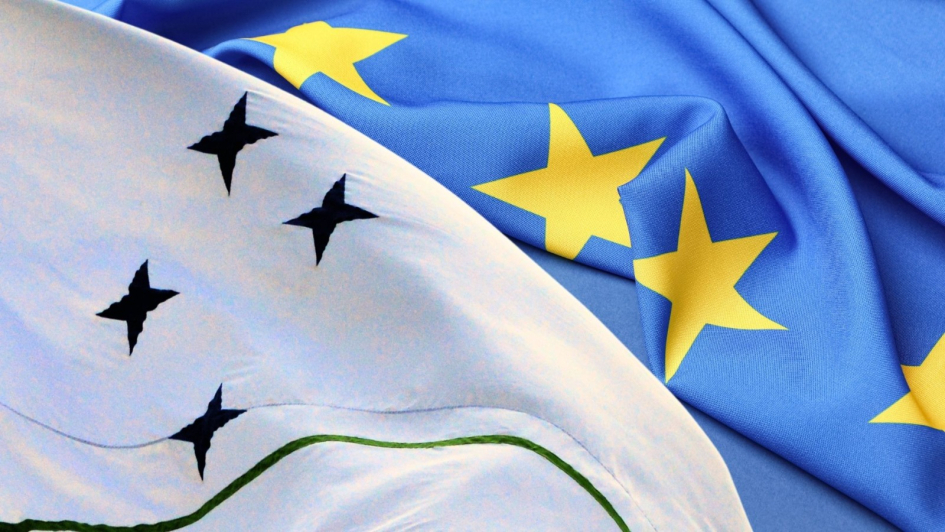
On May 1, President Yamandú Orsi held a virtual meeting with the presidents of the Mercosur countries, European Commission President Ursula von der Leyen, and European Council President António Costa, on the first day the provisional interim Trade Agreement took effect.
The agreement will improve market access to European markets for trade in goods and services. Together, the two blocs encompass a free trade area of more than 750 million people and account for nearly 20% of global gross domestic product.
The Mercosur-EU agreement establishes a framework of institutional stability and legal certainty that promotes supply chains and improves conditions for access to the European market.
With the entry into force of the Interim Provisional Agreement between Mercosur and the EU, exporters will be able to benefit from tariff preferences for products subject to quotas granted by the EU. The Ministry of Economy and Finance (MEF) will establish the necessary regulations to facilitate the proper use of the tariff quotas provided for in the Agreement.
73% of Mercosur’s exports will enter the European market duty-free, while other products will do so with a phased reduction over a maximum of 10 years. For Uruguay, the trade opportunities and benefits will be tangible starting May 1. The Hilton quota for premium beef (5,600 tons) will automatically transition from a 20% tariff to 0%.
Other products that will be subject to a 0% tariff starting on that date include fishery products, beef and sheep offal, edible fats and offal from cattle, fresh apples, fresh cherries, legumes, nuts, and raisins, leather products, mineral water, beer, beverages, soybean meal, combed wool tops, fertilizers, and fungicides.
Since the bloc has not yet reached an agreement on the internal allocation of quotas, access to the European market will operate on a “first-come, first-served” basis.
In addition, Mercosur also granted tariff quotas for imports of products from the EU, establishing frameworks with gradual liberalization processes to ensure balanced trade between the two regions, with transparent and predictable administrative mechanisms.