
International / The CPTPP opened its door for Uruguay: international support and state policy
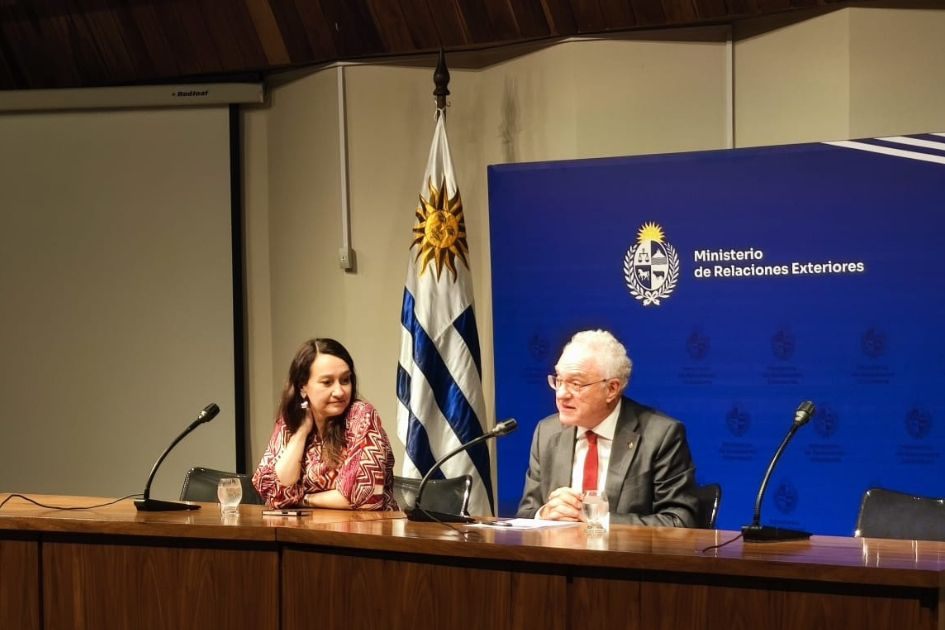
Following intense diplomatic efforts, a new phase of dialogue has begun with the CPTPP countries. Last Friday in Melbourne, Australia, Uruguay received the no-objection of all CPTPP members, an essential condition for officially initiating the accession process. Our country will now join a working group that will outline the conditions and procedures for accession.
This group of countries accounts for approximately 15% of global trade. For Uruguay, it represents a key market: trade with its members represents, on average, 9% of goods exports, exceeding US$1 billion annually.
Uruguay currently has trade agreements with only four of the existing CPTPP member countries: Mexico, Chile, Peru, and Singapore. Accession would allow Uruguay to add eight new markets, offering opportunities in goods, services, and investments, as well as access to modern disciplines that facilitate trade and benefit small businesses.
Minister Lubetkin emphasized that this progress is the result of serious, discreet, and sustained work, in line with the government's policy of avoiding premature announcements and communicating "only when things are done." He recalled that, at the beginning of the current administration, Uruguay was "very far from being able to achieve what we can now say is a step forward in a process that will require many negotiations."
Lubetkin emphasized that this achievement is part of a broad strategy for international insertion, which also includes negotiations with MERCOSUR and EFTA, the possible signing of an agreement between MERCOSUR and the European Union, and other ongoing negotiations.
The Minister expressed "happiness" with the reaction from the political system, the private sector, civil society, and academia. "When President Orsi speaks of state policy, this is state policy." "We say that everything that should continue must continue, and everything that should change must change in this very particular phase of the evolving global landscape."
"It’s important to understand that there are opportunities here for services and investment. There are extremely innovative elements in terms of disciplines, modernisation of trade, procedures, and the way we trade. Some countries within the CPTPP are at the forefront globally in facilitating trade so that small businesses, for example, can benefit from the agreements" stated Vice Minister Valeria Csukasi.
She further detailed the progress made over the past eight and a half months, which included 25 technical and political meetings with authorities and negotiating teams from the CPTPP countries, as well as five trips to Asia.
“We now have equal access to markets where our competitors were gaining ground because they didn't have to pay tariffs,” Csukasi explained.
Both the Minister and Vice Minister expressed their gratitude for the responsibility with which all parties handled sensitive information during this process.
“Uruguay is internationally recognised as a serious country, a country that has maintained 40 years of uninterrupted democracy, that respects its institutions, that respects the rules, and where the rules don't change from one government to the next. I think this is something that has been said for a long time,” Csukasi stated.
Ministry of Foreign Affairs Uruguay.
Audios
Videos
Image gallery
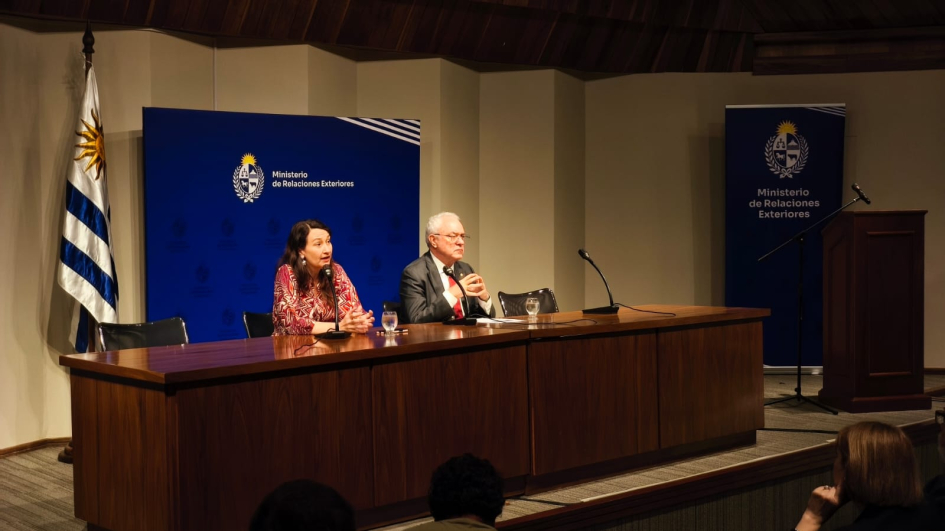
Internacional / El canciller Mario Lubetkin y la vicecanciller Valeria Csukasi Download image : Internacional / El canciller Mario Lubetkin y la vicecanciller Valeria Csukasi

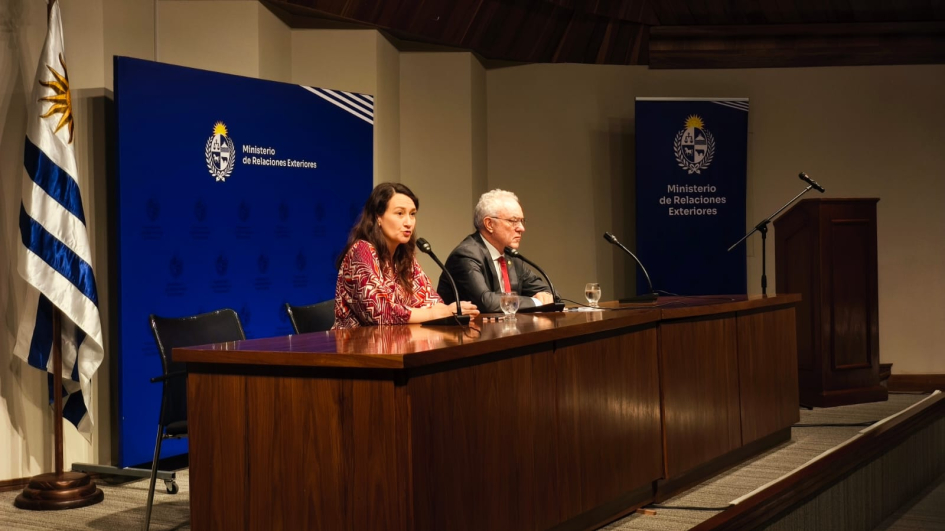
Internacional / El canciller Mario Lubetkin y la vicecanciller Valeria Csukasi Download image : Internacional / El canciller Mario Lubetkin y la vicecanciller Valeria Csukasi
